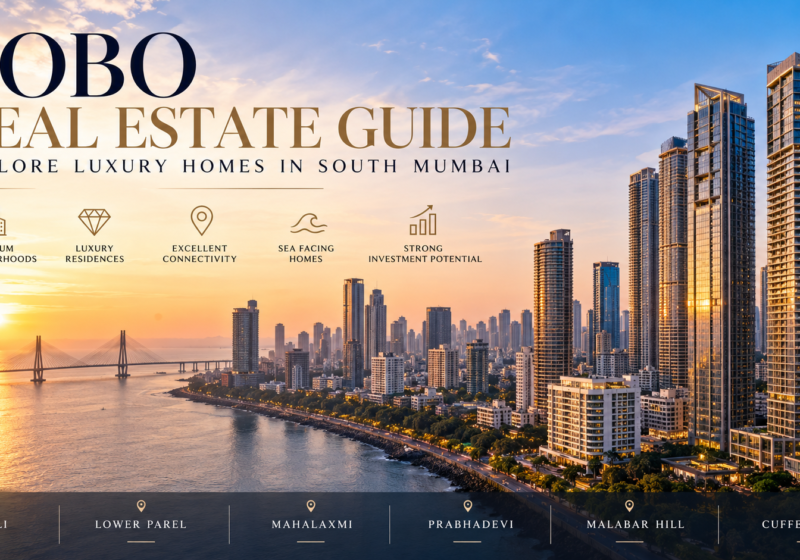
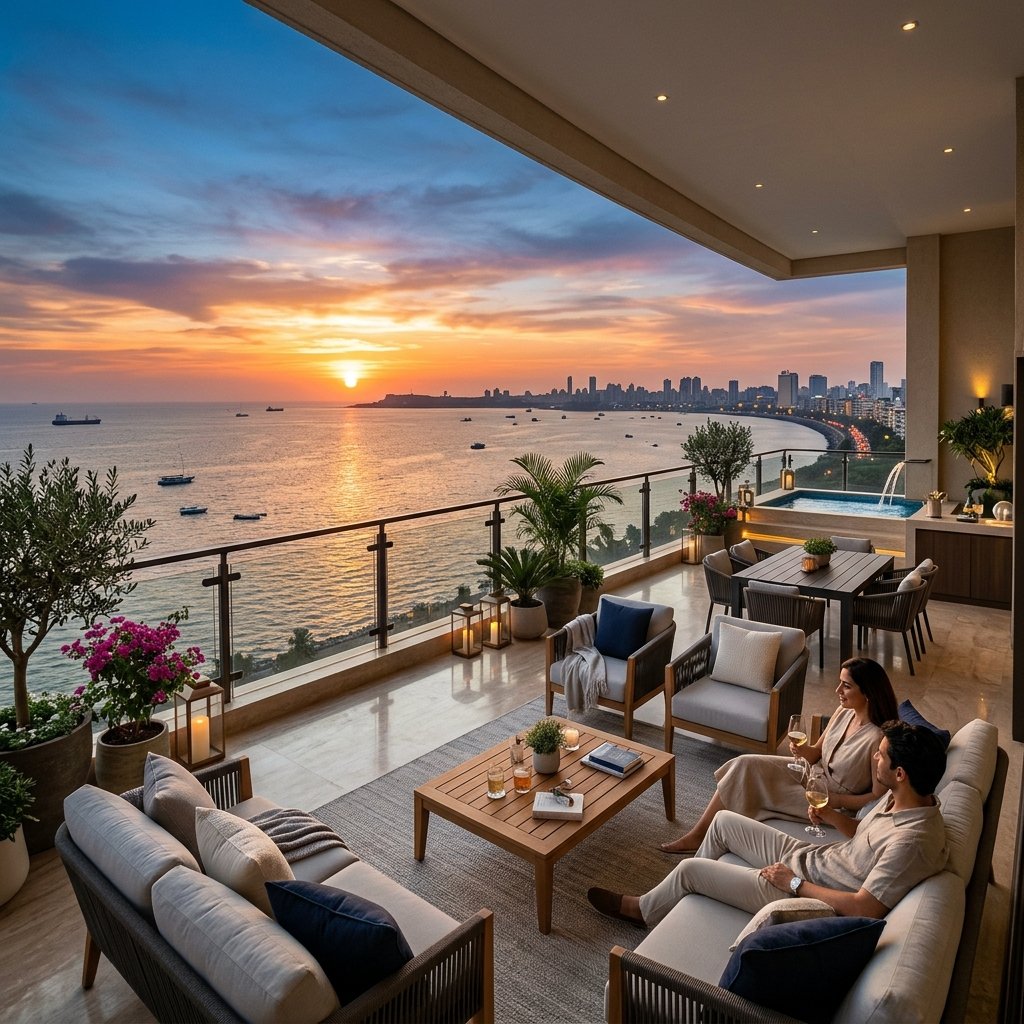
South Mumbai has long been one of India’s most prestigious residential destinations, known for its established neighbourhoods, architectural character, premium amenities and distinctive urban lifestyle. From elegant residences overlooking the Arabian Sea to contemporary apartments in landmark high-rise developments, the region offers a diverse selection of homes for discerning buyers.
However, finding the right apartment involves much more than choosing a desirable address. Buyers need to consider location, carpet area, building quality, everyday convenience, maintenance costs, legal documentation and long-term suitability. With so many factors to evaluate, making an informed decision requires a clear understanding of the local property market and your personal priorities.
If you are exploring SOBO flats, the key is to identify a property that balances lifestyle, functionality, budget and future plans. Whether you are purchasing your primary residence, upgrading to a larger home or considering a premium real estate investment, the right apartment should deliver value beyond its appearance.
In this guide, we explain how to compare South Mumbai’s residential neighbourhoods, evaluate luxury apartments, assess important property features and make a more confident buying decision.
What Makes South Mumbai an Attractive Place to Live?
South Mumbai, often called South Bombay or SOBO, is recognised for its established residential neighbourhoods, cultural landmarks, commercial districts and varied architectural landscape. Its housing options range from traditional apartment buildings to modern gated developments and expansive luxury residences.
One of the region’s biggest advantages is the diversity of lifestyles available within a relatively compact urban area. Some buyers prefer the established character and quieter residential pockets of Malabar Hill or Cumballa Hill. Others prioritise contemporary amenities, newer buildings and access to business districts in areas such as Worli, Lower Parel and Mahalaxmi.
1. Established residential neighbourhoods
Several South Mumbai localities have long-standing residential communities, recognised landmarks and access to everyday services. Buyers may find a mix of older buildings, redeveloped properties and newer residential projects, depending on the neighbourhood.
This variety allows buyers to compare different property types rather than limiting their search to a single style of apartment.
2. Connectivity to business districts
For professionals and business owners, proximity to offices can significantly influence the practicality of a home. Depending on the exact address, South Mumbai residences may offer convenient access to commercial centres, transport links, healthcare facilities and educational institutions.
Actual journey times vary with traffic, transport availability and the location of the property. It is therefore sensible to evaluate connectivity from the specific building rather than relying on the locality name alone.
3. Diverse premium housing options
The South Mumbai property market includes compact apartments, spacious family homes, high-floor residences, sea-facing properties and larger luxury configurations.
This variety makes it important to define your requirements before arranging property visits. A beautiful apartment may not be the best choice if its layout, maintenance expenses or location does not match your lifestyle.
Which Are the Best Areas to Explore for SOBO Flats?
The best neighbourhood depends on your priorities. A family seeking a spacious residence may value a different location from a professional who wants a shorter commute or a buyer who prioritises views, privacy and exclusivity.
Here are several areas worth comparing when researching apartments in South Mumbai.
1. Malabar Hill: Established residential character
Malabar Hill is associated with established residential addresses, green surroundings in selected pockets and premium homes. It can appeal to buyers seeking a more traditional South Mumbai residential environment.
When evaluating apartments here, consider the condition of the building, available parking, road access, renovation requirements and the specific outlook from the property. Views and surroundings can differ considerably from one building to another.
Malabar Hill may suit buyers who prioritise location and residential character over having every contemporary amenity within their building.
2. Worli: Contemporary high-rise living
Worli has become an important destination for premium residential developments, including high-rise apartments with modern facilities. Depending on the project, amenities may include a fitness centre, swimming pool, landscaped spaces, resident lounges and security systems.
Buyers should compare the actual usable layout, lift capacity, amenity access, maintenance charges and the quality of building management. A high-floor apartment with impressive views should also be assessed for sunlight, ventilation, noise and privacy.
Worli may be worth exploring if you prefer contemporary residential living and convenient access to several commercial areas.
3. Lower Parel: Urban convenience and modern residences
Lower Parel combines residential developments with commercial activity, retail destinations, restaurants and other urban conveniences.
Its location can be attractive to professionals who want access to business districts and a range of everyday services. However, the surrounding road network, construction activity, traffic conditions and the building’s precise position should be considered before making a decision.
When comparing properties, assess the apartment’s internal layout and the quality of the residential environment, not just the project’s amenities or branding.
4. Cuffe Parade: A distinctive South Mumbai address
Cuffe Parade offers an established urban setting with residential towers and access to parts of South Mumbai’s commercial and institutional landscape.
Buyers may appreciate its location and the character of individual buildings. However, the age of a building, maintenance standards, redevelopment considerations and available facilities can vary significantly.
Inspect the building’s common areas, structural maintenance records where available, lift condition and financial obligations associated with the apartment.
5. Cumballa Hill and Nepean Sea Road: Premium residential options
Cumballa Hill and Nepean Sea Road are associated with premium residential properties and established neighbourhoods. These locations may appeal to buyers looking for spacious homes, privacy and a particular South Mumbai lifestyle.
The most suitable apartment will depend on the exact building, available area, condition, access and overall ownership costs. Buyers should also evaluate the convenience of daily travel, especially if household members have different commuting needs.
6. Mahalaxmi: An option for modern residential projects
Mahalaxmi offers a mix of residential property types, including contemporary developments. Depending on the project, buyers may find different configurations, amenities and views.
Compare the location of the building, actual carpet area, parking arrangements, possession status and ongoing charges. If you are considering an under-construction apartment, carefully examine the project’s registration details and contractual possession terms.
For a broader overview of the market and residential locations, explore the SOBO Luxury Properties real estate guide.
How to Choose the Right Apartment in South Mumbai
Once you have shortlisted suitable neighbourhoods, the next step is to evaluate individual properties systematically. The following factors can help you distinguish an attractive listing from a home that genuinely meets your requirements.
1. Define your budget before you start searching
Luxury property purchases involve more than the advertised price. Buyers should account for the total acquisition cost and the recurring expenses associated with ownership.
Depending on the transaction, additional costs may include stamp duty, registration fees, brokerage, applicable taxes, legal fees, renovation expenses, parking-related charges and society or building deposits.
You should also estimate the monthly maintenance bill and likely future expenditure on repairs, furnishings and utilities.
Prepare a realistic budget that distinguishes between:
- The maximum property purchase price.
- Transaction-related expenses.
- Interior design and renovation costs.
- Monthly maintenance and utility expenses.
- A reserve for unexpected expenditure.
A clearly defined budget helps you compare properties on a like-for-like basis and reduces the risk of committing to a home that becomes financially uncomfortable after purchase.
2. Choose the right apartment configuration
The number of bedrooms should reflect your current needs and likely future requirements.
A 2 BHK may be practical for a couple, a small family or someone who needs an additional room for guests or work. A 3 BHK can provide greater flexibility for families with children, regular visitors or a dedicated home office. Larger configurations may be appropriate for multigenerational households or buyers who need additional private spaces.
However, bedroom count alone does not determine functionality.
Check the size and proportions of each room, the placement of doors and windows, storage opportunities, kitchen usability and the relationship between private and shared spaces.
An efficiently designed apartment can sometimes be more comfortable than a larger property with an awkward layout.
3. Understand carpet area and usable space
Carpet area is one of the most important factors when comparing residential properties in India. It provides a more meaningful basis for understanding the area available for use inside an apartment than a headline figure that may include other areas.
Ask the seller or developer to clearly specify the carpet area and explain any additional areas included in the marketing material.
During the site visit, examine whether the floor plan provides enough space for furniture, circulation, storage and everyday activities.
Check the dimensions of bedrooms, the dining area, kitchen counters, balconies where applicable and utility spaces. For resale properties, compare the actual apartment with the documented floor plan and investigate any unauthorised alterations.
The objective is to understand how much practical living space the apartment offers, rather than choosing solely on the basis of a large advertised number.
4. Evaluate building quality and maintenance
A premium address does not automatically guarantee a well-maintained building. The condition of the structure and common facilities can have a substantial impact on comfort and long-term expenses.
During a visit, look for signs of dampness, water seepage, damaged flooring, cracks requiring professional assessment, poorly maintained common areas and unreliable lifts.
Ask about the age of the building, major repairs, waterproofing work, plumbing systems, electrical infrastructure and the maintenance history of shared facilities.
For older properties, consider obtaining an independent professional assessment where appropriate. Review available building records and understand whether major repairs or redevelopment-related discussions could affect future costs or occupancy.
For new developments, examine the specifications promised in the agreement and confirm the status of facilities that are advertised as part of the project.
5. Compare amenities with your actual lifestyle
Luxury residential projects may offer a wide selection of amenities, but their value depends on how frequently you will use them.
A fitness centre may be useful for someone who exercises regularly. A swimming pool, children’s play area or landscaped recreational space may matter to families. Concierge services, visitor management, security systems and dedicated parking may be more important to buyers who prioritise convenience and privacy.
Before making a decision, ask:
- Which amenities are operational and available to residents?
- Are any facilities shared with other buildings or phases?
- What are the rules governing guest access and usage?
- Are additional fees charged for certain facilities?
- How are common areas maintained?
- What is included in the regular maintenance bill?
Compare the practical benefits of amenities against their contribution to the total cost of ownership.
6. Assess natural light, ventilation and views
Natural light and ventilation affect how an apartment feels throughout the day. Two homes with similar floor areas may provide very different living experiences because of their orientation, floor level, window placement and surrounding buildings.
Visit the property at different times if possible. Observe direct sunlight, the amount of daylight entering bedrooms and living areas, ventilation and the level of external noise.
If a sea view or open outlook is important to you, confirm which rooms actually have the view and whether nearby development could affect it. Do not rely entirely on promotional photographs or computer-generated images.
Also consider privacy. Large windows and high floors may offer attractive views, but the positioning of neighbouring towers can affect how comfortable the apartment feels.
7. Examine parking and everyday access
Parking can be an important consideration in South Mumbai, especially for households with more than one vehicle.
Confirm the number and type of parking spaces associated with the apartment, the relevant allocation documents, vehicle dimensions and any restrictions imposed by the building. Do not assume that a listing’s reference to parking automatically establishes ownership or exclusive usage rights.
Evaluate the entrance, drop-off area, lift access, visitor parking arrangements and accessibility for older family members or people with mobility requirements.
Small practical details can make a significant difference to everyday convenience.
New Apartments vs Resale Properties: Which Should You Choose?
Both new developments and resale apartments can be suitable, but they involve different considerations.
Advantages of new residential developments
New projects may offer contemporary layouts, modern building systems, updated amenities and facilities designed around current lifestyle expectations.
They may also provide a wider choice of apartment configurations, depending on availability.
However, buyers need to examine the developer’s track record, project registration, approvals, construction progress, agreement terms, payment schedule and possession commitments. Future infrastructure or amenities should not be treated as guaranteed benefits unless supported by reliable information and applicable contractual commitments.
Advantages of resale apartments
A resale apartment allows you to inspect the actual property and its immediate surroundings before purchasing. In a completed building, you can evaluate the common areas, current maintenance arrangements, neighbourhood environment and availability of established services.
Depending on the transaction, possession may be possible sooner than for an under-construction home.
Nevertheless, older properties can require renovation or major repairs. Buyers should also investigate title history, outstanding dues, building condition, society documentation, redevelopment matters and any restrictions affecting the transaction.
How to make the decision
Choose a new development if its location, configuration, specifications, delivery timeline and ownership terms meet your requirements.
Consider a resale property if you value the ability to inspect the completed home, prefer an established residential setting or find a layout that better suits your needs.
In either case, base the decision on verified documents, the property’s condition and the total cost rather than marketing claims alone.
Essential Legal Checks Before Buying SOBO Flats
Property due diligence is essential when purchasing a home in South Mumbai. Legal requirements can vary depending on whether the apartment is in a new project, an established cooperative housing society or a building undergoing redevelopment.
Consider the following checks with the help of an independent property lawyer.
1. Verify ownership and title
For a resale apartment, review the seller’s ownership documents and the property’s title history. Depending on the circumstances, relevant records may include previous conveyance documents, the registered agreement, society records, encumbrance-related searches and other supporting documents.
The precise requirements depend on the property and its legal history. A qualified lawyer should determine which records are necessary and investigate any inconsistencies.
2. Check project registration where applicable
For projects covered by the Real Estate (Regulation and Development) Act, 2016, verify the applicable registration and project disclosures through the official MahaRERA website.
Review relevant information such as the project’s registration details, declared completion timeline, approvals and disclosures, and available progress updates.
Do not assume that every property transaction has identical registration requirements. Confirm the applicable rules for the specific project and transaction.
3. Review approvals and completion documents
For completed properties, ask your lawyer to review the applicable approvals and completion or occupancy documentation. For under-construction homes, verify the relevant permissions and contractual provisions for completion and possession.
The documents required may differ depending on the building’s age, project structure, redevelopment status and other factors.
4. Check society dues and building obligations
For resale apartments, establish whether maintenance bills, property-related charges and other amounts are outstanding.
Understand any pending major repairs, special assessments, litigation or redevelopment discussions that may materially affect ownership.
Ask for available society records and obtain professional advice if any issue remains unclear.
5. Review the agreement before paying substantial amounts
The agreement should clearly identify the property, agreed consideration, payment terms, possession conditions and other applicable obligations.
Review provisions relating to default, cancellation, representations, additional charges and the seller’s or developer’s responsibilities.
Avoid relying solely on verbal assurances. Ensure material promises are appropriately documented and have the agreement reviewed by an independent lawyer before signing.
These steps provide a starting point, not a substitute for property-specific legal advice.
What Determines the Value of Luxury Apartments in South Mumbai?
Property value is influenced by several interconnected factors. Understanding them can help buyers compare alternatives more carefully.
Location and accessibility
A property’s proximity to workplaces, transport links, healthcare facilities, schools, retail destinations and everyday services can influence its appeal.
The effect depends on the specific location and the needs of likely future occupants. Evaluate actual accessibility instead of assuming every property in a prestigious neighbourhood offers the same convenience.
Building quality and maintenance
Construction quality, upkeep, security arrangements, lift systems, parking and shared facilities can affect both the living experience and the costs of ownership.
A well-maintained building with a practical layout may be more suitable than a visually impressive property that requires significant repairs.
Floor plan and usable area
Buyers often compare homes based on bedrooms, floor area and views. Yet the quality of the floor plan, storage, natural light and privacy can be equally important.
Assess how effectively the apartment uses its available space and whether its design will remain practical as your needs change.
Scarcity and property characteristics
Certain combinations of location, outlook, layout, privacy and building quality may be difficult to find in a particular neighbourhood.
Such characteristics can influence buyer interest, but they do not guarantee appreciation or future resale performance.
Market conditions and total ownership costs
Property prices are affected by market demand, available supply, financing conditions, local development and broader economic factors.
Before purchasing, compare recent transactions where reliable data is available and examine the total acquisition and ownership costs. If the property is primarily an investment, assess potential rental income, vacancy risk, recurring expenses, liquidity and your intended holding period.
Past price movements should not be treated as a promise of future returns.
Common Mistakes to Avoid When Buying an Apartment in SOBO
Even experienced buyers can overlook important details when a property appears attractive. Avoid these common mistakes.
Choosing a location based only on prestige: A well-known address may not provide the commute, layout or neighbourhood environment you need.
Ignoring the full cost of ownership: Purchase price is only one part of the financial commitment. Include transaction costs, maintenance, repairs and potential renovation expenditure.
Focusing exclusively on amenities: Facilities matter, but building quality, usable area, privacy and management standards are equally important.
Skipping legal verification: Do not rely on a listing, brochure or verbal assurance as proof of clear ownership or regulatory compliance.
Overlooking the building’s condition: Examine maintenance records, common areas and potential repair requirements, especially when purchasing an older apartment.
Rushing the decision: Compare multiple properties, revisit promising options and allow sufficient time for legal and financial checks.
Assuming appreciation is guaranteed: A premium location does not eliminate market risk. Make investment decisions using realistic assumptions and independent advice.
How SOBO Luxury Properties Can Help You Find the Right Home
Finding a suitable apartment in South Mumbai can involve comparing neighbourhoods, evaluating different configurations, arranging property visits and understanding the practical differences between available options.
SOBO Luxury Properties focuses on premium residential real estate in South Bombay. Buyers exploring the market can use the website to review featured properties, learn about relevant residential areas and identify homes that may suit their requirements.
Start by browsing the SOBO Luxury Properties website to explore available listings. Shortlist properties according to your preferred neighbourhood, budget, bedroom configuration, carpet area and possession requirements.
Before arranging visits, prepare a list of priorities and questions. This helps make property comparisons more productive and ensures that important considerations are addressed early.
For a more structured search, distinguish between essential requirements and preferences. Your essential requirements might include a specific budget, a minimum number of bedrooms or convenient access to work. Preferences might include a particular floor, a view or selected amenities.
A property that meets your essential needs and offers a manageable total cost may be a stronger choice than one that looks impressive but compromises on practical requirements.
Final Thoughts: Finding the Right SOBO Apartment
Choosing among SOBO flats is ultimately about finding a home that fits your lifestyle, financial priorities and long-term plans.
South Mumbai offers a varied residential landscape, from established neighbourhoods and traditional apartment buildings to contemporary luxury developments. Each area and property type comes with different advantages, limitations and ownership considerations.
Start with a realistic budget, shortlist suitable localities and compare apartments based on carpet area, layout, building quality, maintenance, connectivity and legal documentation. Evaluate amenities according to your actual needs, and never skip independent legal checks before committing to a purchase.
If you are ready to explore premium residential options, visit SOBO Luxury Properties to begin your search for an apartment in South Mumbai.
The right home is not simply the one with the most impressive address. It is the one that offers the right combination of location, comfort, practicality and long-term suitability for you.
Frequently Asked Questions About SOBO Flats
1. What does SOBO mean in real estate?
SOBO is a commonly used abbreviation for South Bombay, also known as South Mumbai. In real estate, the term is often used when discussing residential properties in established and premium neighbourhoods across the area.
2. Which areas are worth considering when searching for flats in South Mumbai?
Malabar Hill, Worli, Lower Parel, Cuffe Parade, Cumballa Hill, Nepean Sea Road and Mahalaxmi are among the areas buyers may wish to compare. The most suitable location depends on budget, commuting requirements, preferred apartment type and lifestyle.
3. What should I check before buying a luxury apartment in South Mumbai?
Evaluate the total cost, carpet area, floor plan, building condition, amenities, parking, connectivity and maintenance charges. Also arrange appropriate legal verification of title, approvals, project registration where applicable, outstanding dues and agreement terms.
4. Is a new apartment better than a resale property?
Neither option is universally better. New apartments may offer modern layouts and facilities, while resale homes allow buyers to inspect the completed property and established surroundings. The best option depends on the specific property, budget, possession requirements and due diligence findings.
5. How can I compare two apartments fairly?
Compare their total costs, carpet areas, layout efficiency, building condition, location, travel convenience, amenities, maintenance expenses and legal status. Use verified information and inspect both properties before deciding.
6. Where can I explore premium residential properties in South Mumbai?
You can begin by visiting SOBO Luxury Properties to explore featured properties and identify options that match your requirements.